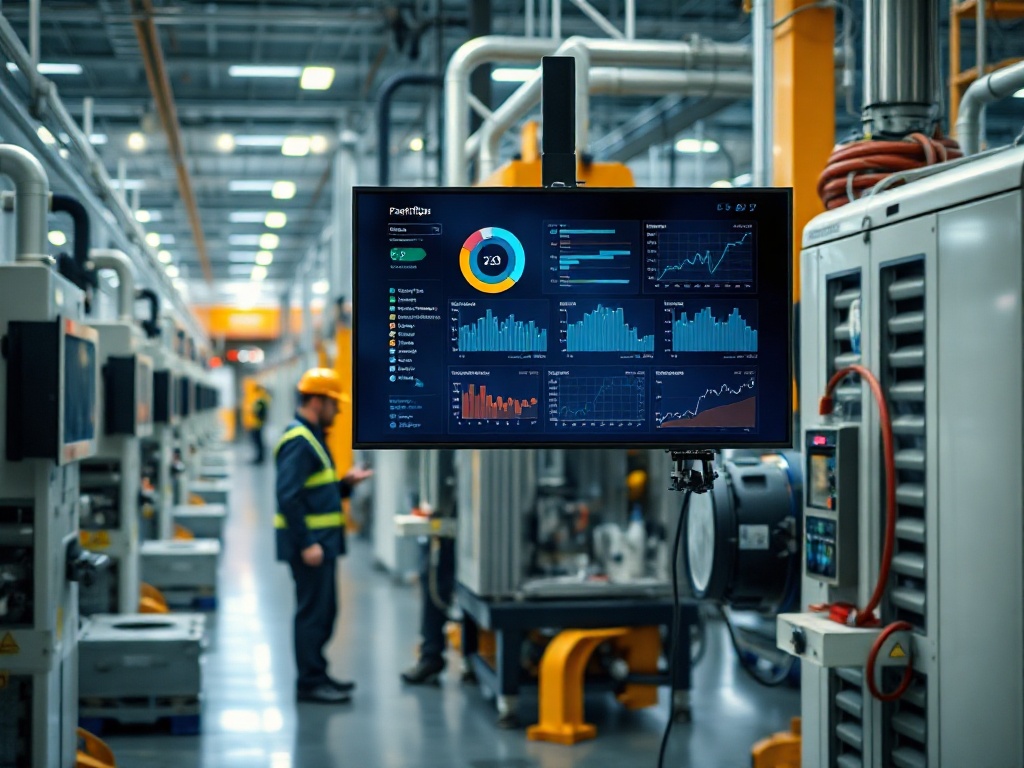
Introduction to Predictive Maintenance
Predictive maintenance is a strategy that uses real-time data and analytics to predict when equipment is likely to fail, allowing for proactive maintenance before a failure occurs. This approach has been gaining traction in the manufacturing sector, where downtime can result in significant financial losses and impact production schedules.
The Role of Automation in Predictive Maintenance
Automation plays a crucial role in predictive maintenance by enabling the collection and analysis of real-time data from equipment sensors. This data can include temperature, vibration, pressure, and other parameters that indicate the health and performance of the equipment. Automated systems can analyze this data using machine learning algorithms and other advanced techniques to identify patterns and anomalies that may indicate potential failures.
Key Benefits of Predictive Maintenance
1. Reduced Downtime: By predicting when equipment is likely to fail, manufacturers can schedule maintenance during planned downtime, reducing the impact on production. 2. Increased Efficiency: Predictive maintenance allows manufacturers to optimize maintenance schedules, reducing the time spent on unnecessary maintenance and extending the lifespan of equipment. 3. Improved Safety: Predictive maintenance can help identify potential safety hazards before they become major issues, reducing the risk of accidents and injuries. 4. Cost Savings: By reducing downtime and extending the lifespan of equipment, manufacturers can realize significant cost savings.
Implementing Predictive Maintenance
Implementing predictive maintenance requires a combination of technologies, including:
- **Internet of Things (IoT) Devices**: To collect real-time data from equipment sensors.
- **Cloud Computing**: To store and analyze the collected data.
- **Artificial Intelligence (AI) and Machine Learning (ML)**: To analyze the data and predict potential failures.
- **Automation Software**: To integrate the predictive maintenance system with existing manufacturing systems.
Overcoming Implementation Challenges
To overcome the challenges of implementing predictive maintenance, manufacturers should:
- **Develop a Clear Strategy**: Define the goals and objectives of the predictive maintenance program.
- **Invest in Employee Training**: Ensure that employees have the necessary skills to implement and maintain the predictive maintenance system.
- **Monitor and Evaluate Performance**: Continuously assess the effectiveness of the predictive maintenance program and make adjustments as necessary.
Conclusion
Predictive maintenance is a powerful tool for reducing downtime and improving efficiency in manufacturing. By leveraging automation and advanced analytics, manufacturers can predict when equipment is likely to fail and schedule maintenance accordingly. As the technology continues to evolve, it is likely that predictive maintenance will become an essential component of manufacturing operations.
CodnestX perspective
Technology follows the process.
Whether the solution becomes an internal platform, workflow automation, AI assistant, data dashboard, or integration layer, the first step is always the same: understand the business process deeply enough to design the right system around it.
Related services