
Close
We ensure a seamless Jira deployment, configuring it to align with your business processes for optimal workflow management.
Enhance efficiency with tailored automation rules, reducing manual work and ensuring smooth task transitions.
Leverage Jira’s Agile and Scrum tools for sprint planning, backlog management, and real-time progress tracking.
Integrate Jira with essential tools like Confluence, Bitbucket, Slack, and third-party applications to create a connected ecosystem.
Gain valuable insights with customizable dashboards and reports to track team performance and project progress.
Secure your projects with customizable permissions, ensuring data privacy and access control based on user roles.
Seamlessly integrate our top-tier developers into your workflow.
Boost your team’s capabilities without the overhead of full-time hires.
Access on-demand expertise whenever you need it.



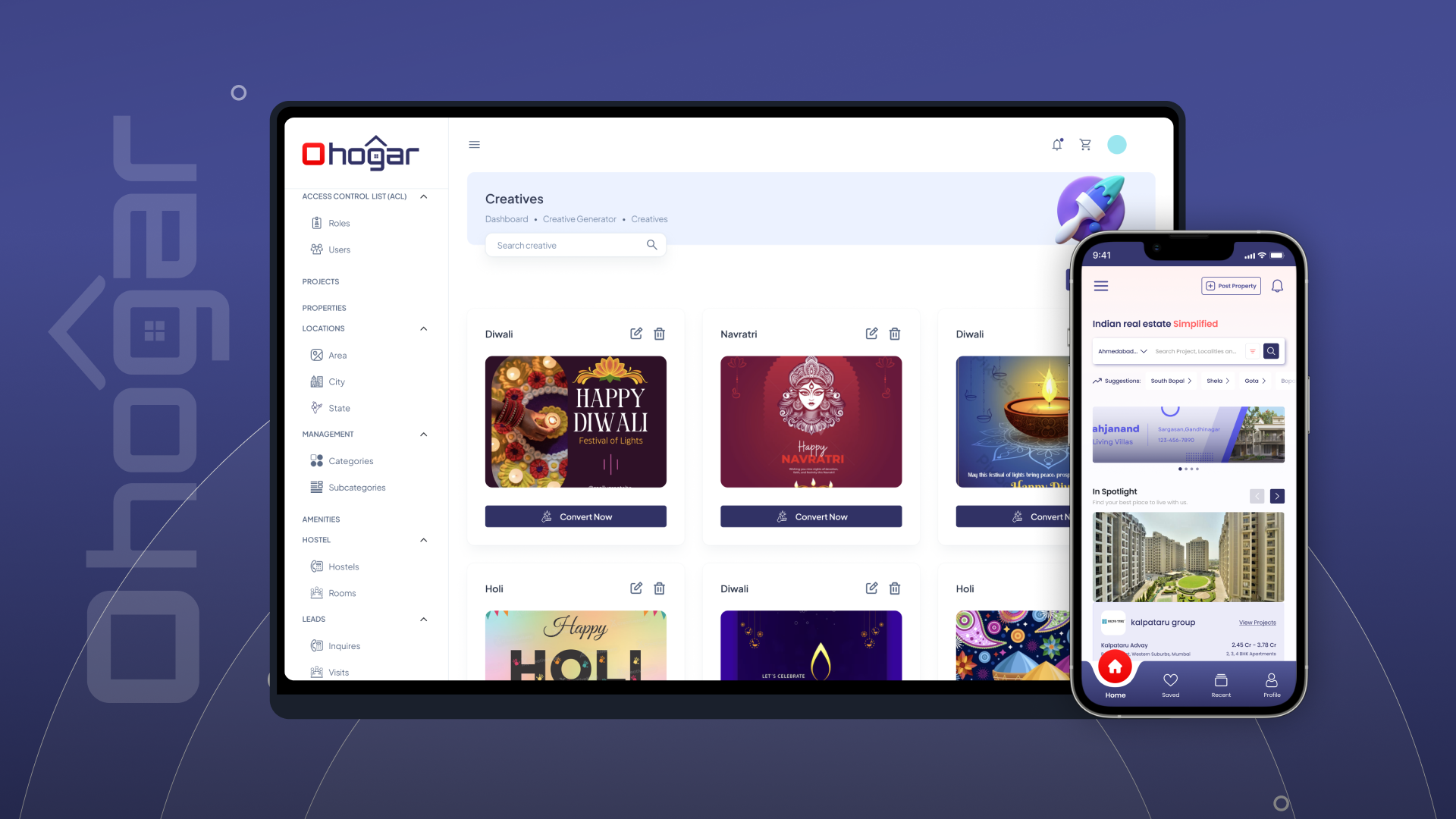

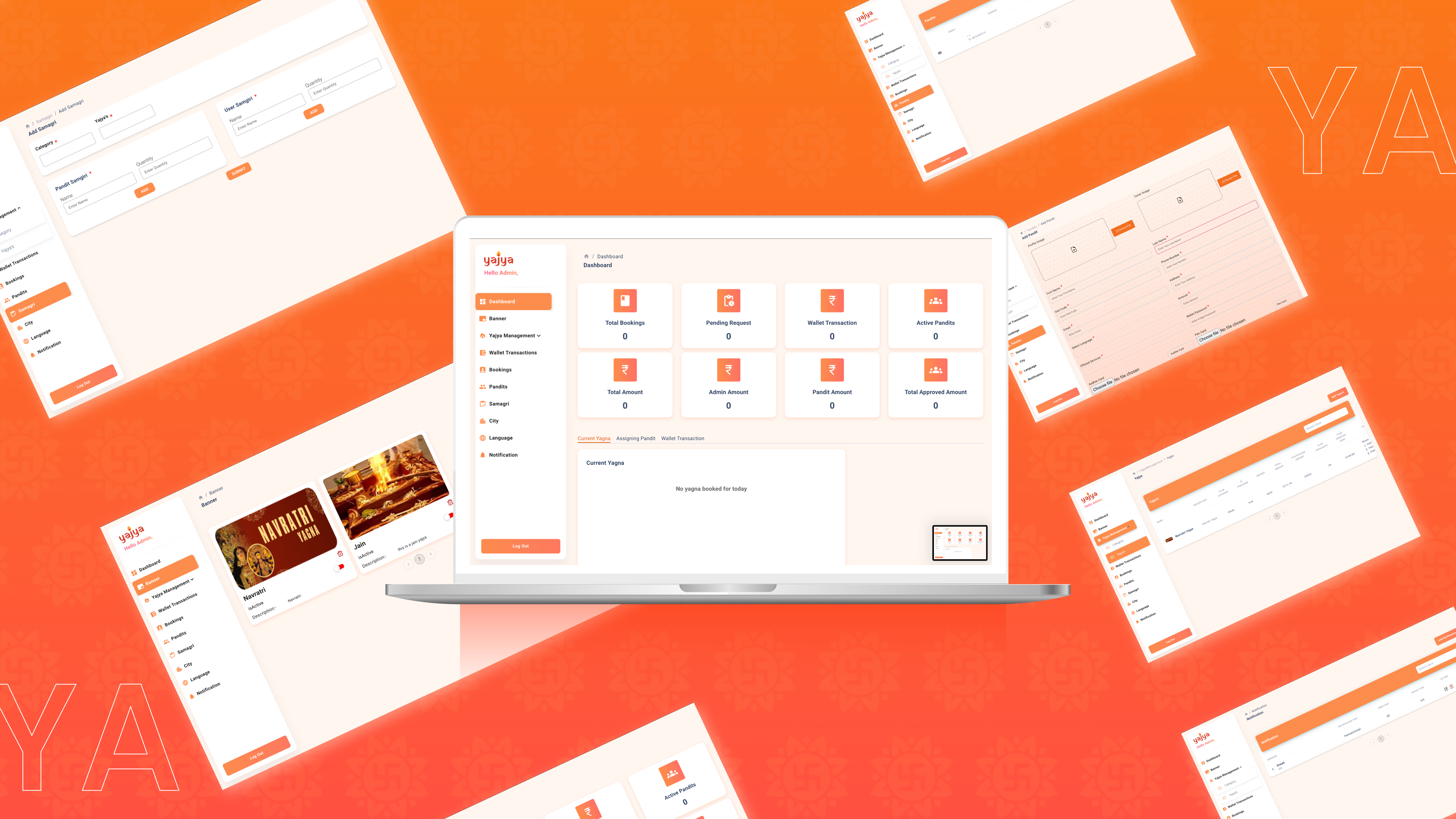

Ionic is an open-source framework used for building cross-platform mobile, web, and desktop apps using web technologies like HTML, CSS, and JavaScript.
Ionic works by using a combination of web technologies and native app code. It allows developers to build apps with a single codebase that can run on iOS, Android, and the web.
Ionic primarily uses web languages such as HTML, CSS, and JavaScript. You can also use popular frameworks like Angular, React, or Vue with Ionic.
Yes, Ionic is free and open-source. However, it also offers premium services like Ionic Enterprise, which provides additional features such as advanced support and pre-built integrations.
Ionic components are pre-designed, reusable UI elements like buttons, forms, modals, and navigation bars that help developers quickly build user interfaces for mobile apps.
Yes, Ionic integrates with native device features like the camera, GPS, push notifications, and more, through Cordova or Capacitor plugins.
Capacitor is Ionic’s native runtime, allowing you to build cross-platform apps with access to native device features. It serves as a modern alternative to Cordova.
Ionic builds apps using web technologies (HTML, CSS, JavaScript) and runs them inside a WebView, whereas React Native compiles components directly into native code. Ionic is better for web-based app development, while React Native focuses on native app performance.
Yes, Ionic allows you to build a single app and deploy it to both iOS and Android platforms without needing to write separate code for each.
Yes, Ionic fully supports building Progressive Web Apps (PWAs) that run in browsers and can be installed on devices, offering native-like functionality.